Blockchain for Retail Supply Chain: Transforming the Future of Retail Technology
Contents
`` ` html
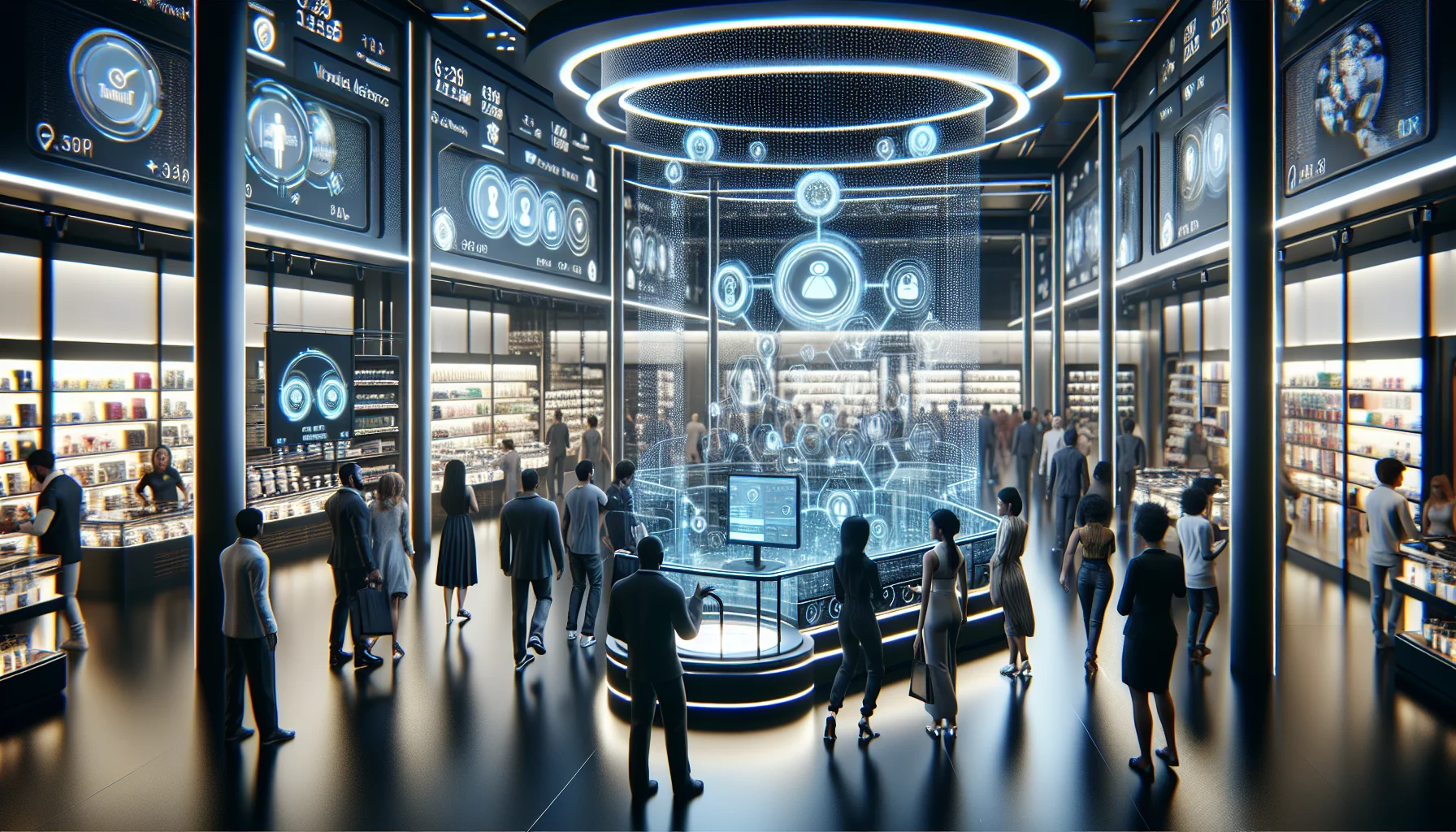
The retail industry is evolving rapidly, driven by technological promotion that are reshaping traditional business models. Also, among these innovations, blockchain engineering stands out for its voltage to revolutionize the retail supply chain. By integrating blockchain, business can significantly improve transparency, efficiency, and protection across their operations. From point-of-sale ( POS ) systems to payment innovation, blockchain is transforming how retailer operate and interact with consumer. Often, this article explores the profound wallop of blockchain on the retail supply concatenation, offering insights into how it's pavement the way for a new era of retail technology.
The Role of Blockchain in Modern Retail
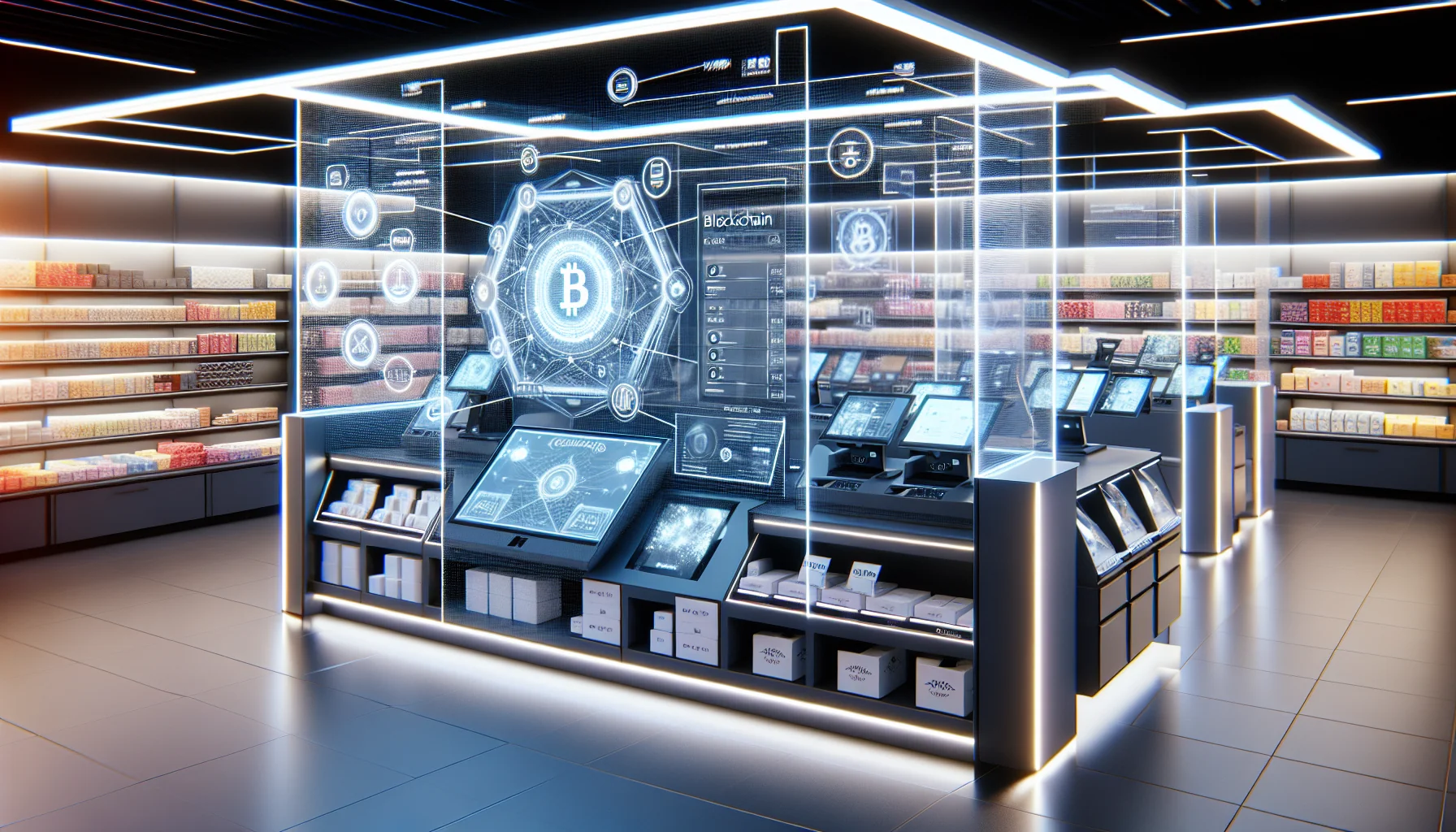
Blockchain technology provides a decentralize and secure method for recording transaction, devising it an ideal fit for the retail supply chain. With blockchain, retailers can track products from production to the point of sale, insure genuineness and reducing imposter. Definitely, this level of transparency builds consumer trust and enhances brand reputation. For example, company ilk Walmart have implemented blockchain to vestige food products back to their source, significantly reducing the time it takes to track items from farm to table.
fresh POS system and Crypto Integration
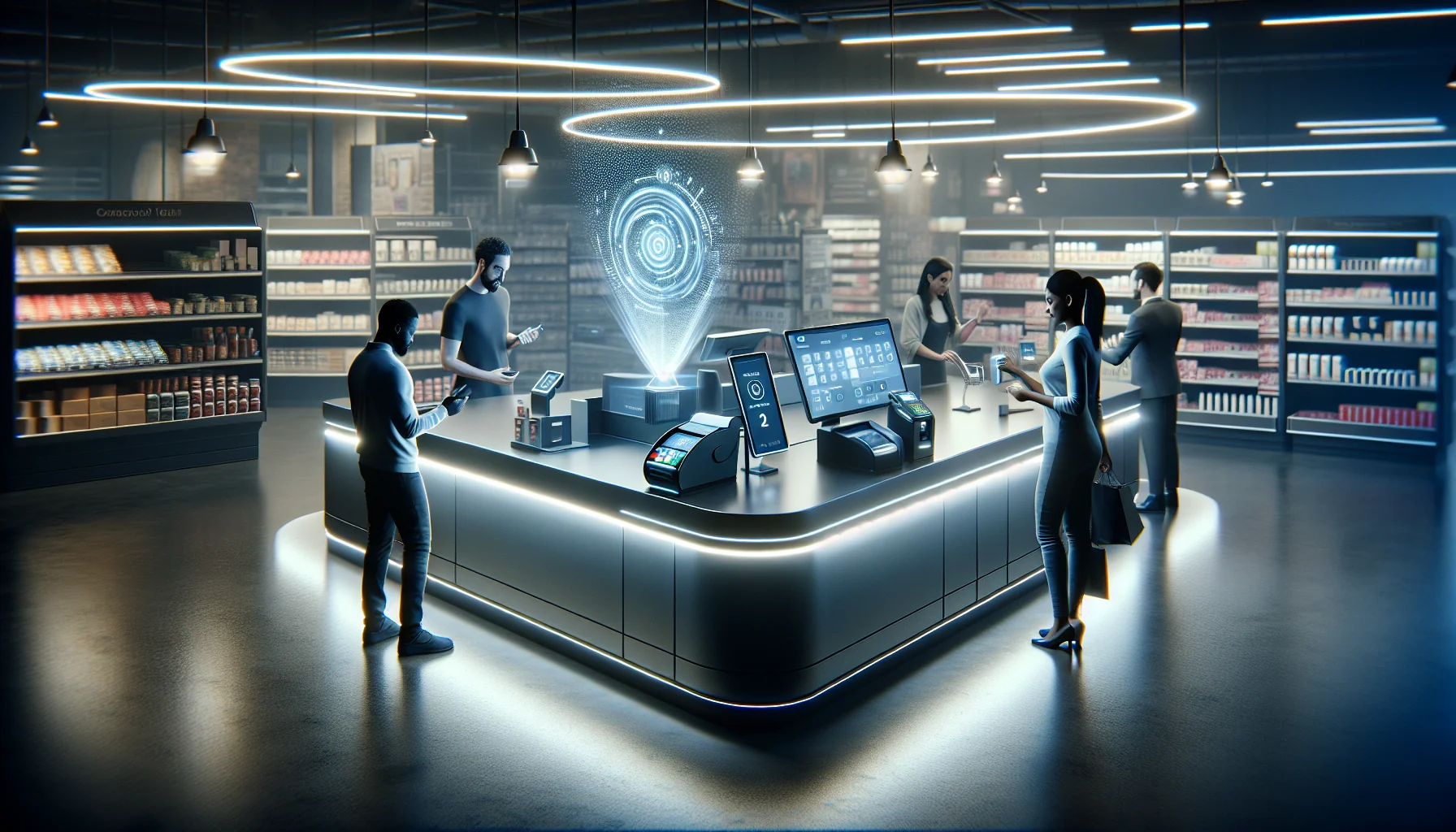
Modern POS scheme are increasingly incorporating blockchain technology, enable retailer to have cryptocurrencies like Bitcoin in-store. This consolidation caters to the growing number of crypto users and provides a smooth, contactless defrayment experience. Here are some benefit of this desegregation:
- Increased defrayment options for customers
- Faster transaction processing
- Reduced risk of chargebacks and fraud
- Enhanced client trust and satisfaction
For example, Starbucks has piloted a program that permit customer to pay using Bitcoin, streamlining the transaction process.
Steps to put in place Blockchain in Retail Supply Chains
Implementing blockchain technology in retail supply chains affect several key steps to insure efficiency and transparentness. In fact, below are the significant steps to successfully integrate blockchain into retail operations.
- Identify the particular supply chain processes that require transparentness and tracking.
- Choose the appropriate blockchain program that suits the retail business needs and scale.
- Engage stakeholders and string staff on blockchain engineering and its benefits.
- execute a pilot task to test the blockchain result in a controlled environment.
- Analyze the pilot, quite, results and brand adjustments before scaling the resolution crosswise the entire supply chain.
By pursuit these steps, retail businesses can use blockchain to boost traceability, reduce fraud, and improve overall supply concatenation efficiency, ultimately benefiting both the concern and its customers.
Accepting Crypto payment in Store
As cryptocurrencies gain popularity, accepting crypto payments is become a trend in retail. Surprisingly, retailers can now use crypto POS terminals to process digital currency payments, appealing to tech-savvy customers who prefer using cryptocurrencies over traditional payment methods. This shift is part of a broader digital transformation in retail. Here's why this matters: basically, for instance, Whole Foods has implement a system that allows customers to pay with Bitcoin, Ethereum, and other cryptocurrencies, offering a Bodoni shopping experience.
Omnichannel Retail solution and Blockchain
Retailers adopting omnichannel strategies can benefit greatly from desegregation blockchain into their operations. Notably, blockchain ensures data consistency and accuracy, making it easier to manage inventory, lead sales, and analyze consumer behavior across various platform. Basically, a real-world instance is Alibaba, which has utilise blockchain to enhance its cross-border supply chemical chain, guarantee product, sort of, authenticity and improving customer trust.
Future tendency in Retail Payment Innovations
Blockchain is paving the way for future retail defrayment innovations. What's more, contactless crypto payment and ecommerce POS integration are becoming more prevalent, offer consumers a faster, more procure check process. These advancements not only better the shopping experience but as well smoothen out operation for retailer. Sometimes, for instance, Amazon is exploring blockchain for its defrayment systems to enhance transaction protection and speed.
- Crypto Checkout Online: Enabling secure and productive on-line payment with blockchain technology.
- Smart Retail Solutions: Leveraging data analytics and blockchain for improved customer insights.
- Ecommerce POS Integration: Seamlessly connecting on-line and offline sales channels.
These trends underscore the transformative potential of blockchain in revolutionizing retail payment system, devising them more efficient and consumer-friendly.
Digital transmutation in Retail Supply Chains
Blockchain 's impact on the retail supply chain extends beyond payments. Let me put it this way: by ameliorate transparency and traceability, retailer can ensure that products are ethically sourced and of high quality. This digital transformation heighten operational efficiency and aligns with consumer demands for sustainable business practices. Companies like Unilever are utilise blockchain to trace the origins of tea, ensuring ethical sourcing and production.
Implementing Blockchain for Retail Success
For successful blockchain implementation, retailer must invest in modern POS software and string staff to hold crypto payment. This involve upgrading existing system to support blockchain capabilities and educating employees on the benefit. Certainly, for example, Home Depot has successfully integrated blockchain to make effective supplier transactions, reduction disputes and ameliorate payment accuracy.
Deep Dive into Blockchain Strategy for Retail
Developing a strong blockchain strategy involves several key steps. Also, first, retailers should assess their current supply chain processes to identify areas where blockchain can add value. On top of that, next, selecting the right blockchain platform is crucial; it must align with the company 's business goals and technical requirements. After choosing a platform, retailer should conduct airplane pilot projects to trial blockchain 's impact on specific processes, such as stock list management or payment system. In fact, evaluating these airplane pilot result helps refine the strategy before full-scale carrying out. Surprisingly, finally, continuous monitoring and optimization are vital to guarantee the blockchain solution remains effective and responsive to changing market demands.
Common Mistakes in Blockchain Adoption
Despite its potentiality, blockchain adoption can present challenge. A common mistake is underestimating the complexity of desegregation blockchain with existing scheme, which can lead to project delays. Often, retailer should behavior thorough feasibility studies and develop detailed effectuation plans to mitigate this risk. Another mistake is failing to train staff adequately, resulting in underutilization of blockchain capableness. Regular training sessions and workshops can equip employee with the necessary skills to make use of blockchain effectively. Additionally, some retailer overlook the importance of cybersecurity, which can compromise blockchain 's security benefits. Implementing sturdy protection measures is essential to protect sensitive datum and preserve consumer trust.
The following table compares various blockchain platforms that retailers might consider for their supply chemical chain direction:
| Blockchain Platform | Key Features | Use Case Examples |
|---|---|---|
| Ethereum | Smart contracts, decentralized apps | Used by IBM for supply chemical chain tracking |
| Hyperledger Fabric | Modular architecture, privacy controls | Walmart uses it for food traceability |
| Ripple | Real-time gross settlement, currency exchange | Used by fiscal institutions for cross-border payments |
| Corda | Designed for business, privacy | Used in the financial sector for procure transactions |
| VeChain | Supply chain logistics, IoT integration | Used by BMW for tracking car components |
These platform offer diverse features and are used crossways separate industries, showcasing the versatility and potential of blockchain technology in retail supply chemical chain management.
Blockchain technology is poised to redefine the retail supply concatenation, offer unprecedented levels of transparency, protection, and efficiency. Truth is, as retailers embrace new technologies ilk inventive POS system and accept Bitcoin at retail, they position themselves as leaders in the future of retail. In fact, embracing these changes not only provides a competitive edge but also meets the evolve expectations of Bodoni consumer. By investing in blockchain, retailers can insure their operations are equipped to handle the challenges of a dynamic retail landscape.
`` `